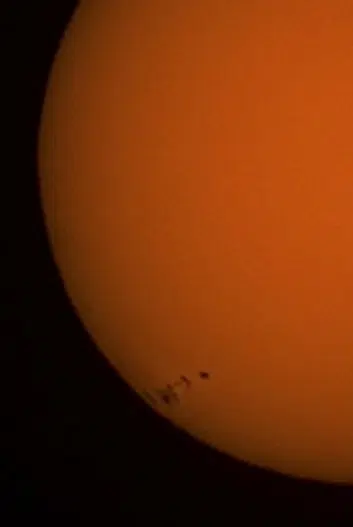

A recent school astrophotography competition gave senior pupils a unique opportunity to capture stunning images of space. The competition was run through the astronomy and astrophysics club, which meets every Tuesday at breaktime in the Physics department. In this club, astronomy club pupils explore space science, develop practical skills, and take part in hands-on projects throughout the year.
The competition encouraged pupils to apply what they had learned in a real-world setting. It also helped them gain experience in using professional astronomical equipment.
Learning Astrophotography with Robotic Telescopes
For the competition, pupils learned how to use robotic telescopes in schools. These telescopes were accessed through the School Observatory network, provided by Liverpool John Moore’s University. This system allowed pupils to control advanced telescopes remotely and capture detailed images of space.
As a result, pupils gained valuable experience using real astronomical tools. They also learned how to plan observations, select targets, and adjust telescope settings for different objects.
Pupils captured a wide range of celestial objects during the project. For example, they imaged the Moon and the Sun in great detail. They also photographed planets in our Solar System, including Jupiter, Saturn and Uranus. In addition, they captured planetary nebulae, globular clusters, and distant galaxies beyond the Milky Way.
This activity helped pupils improve their understanding of space and strengthened their astrophotography skills in schools. It also encouraged teamwork, patience, and attention to detail.
Winning Images in the Astrophotography Competition
There were many strong entries in the school astrophotography competition, showing the high level of skill among pupils. However, three images stood out to the judges for their quality and creativity.
Bo D. won first prize for his detailed and striking image of the Sun. The judges praised its strong colour, clarity, and composition. His work demonstrated excellent control of imaging techniques.
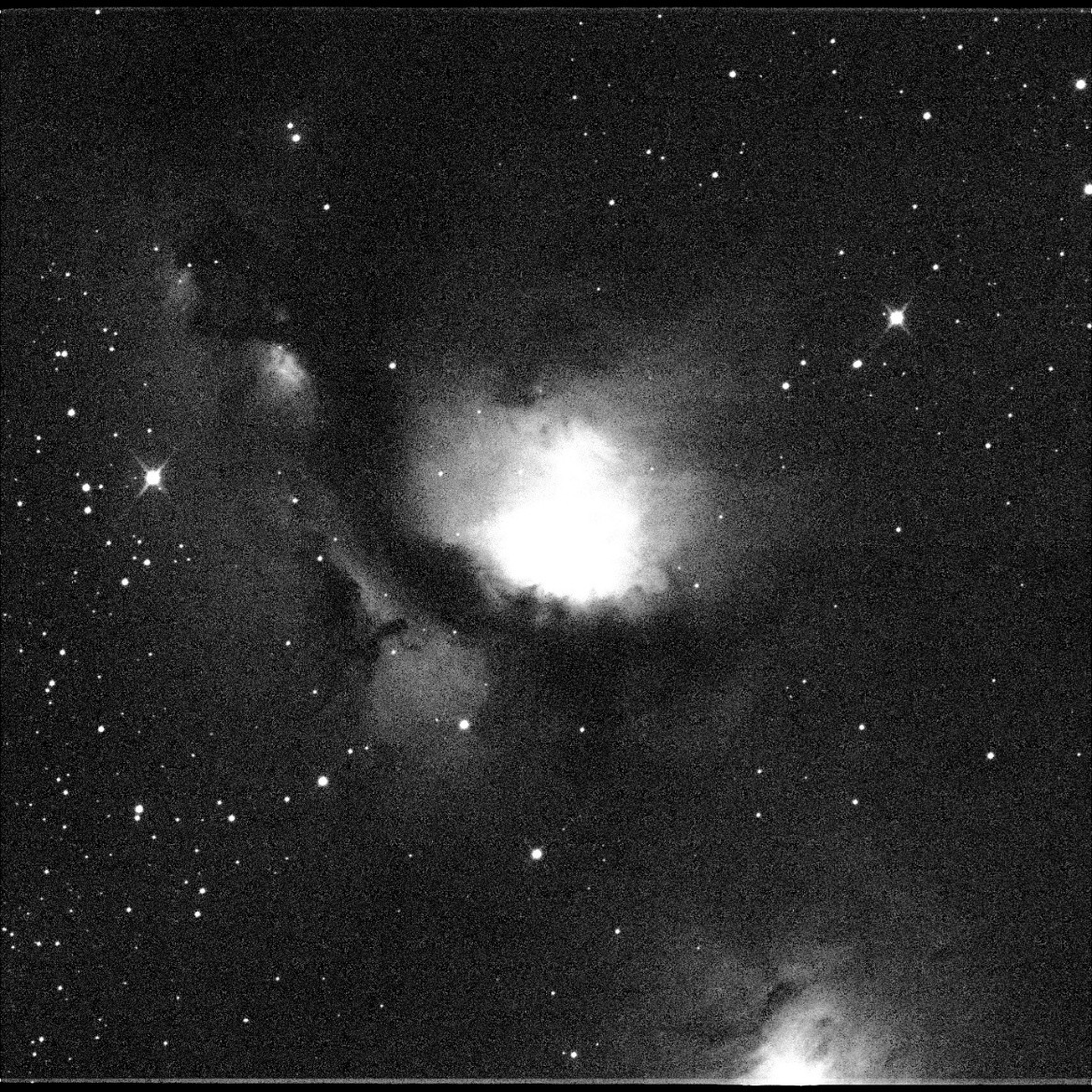
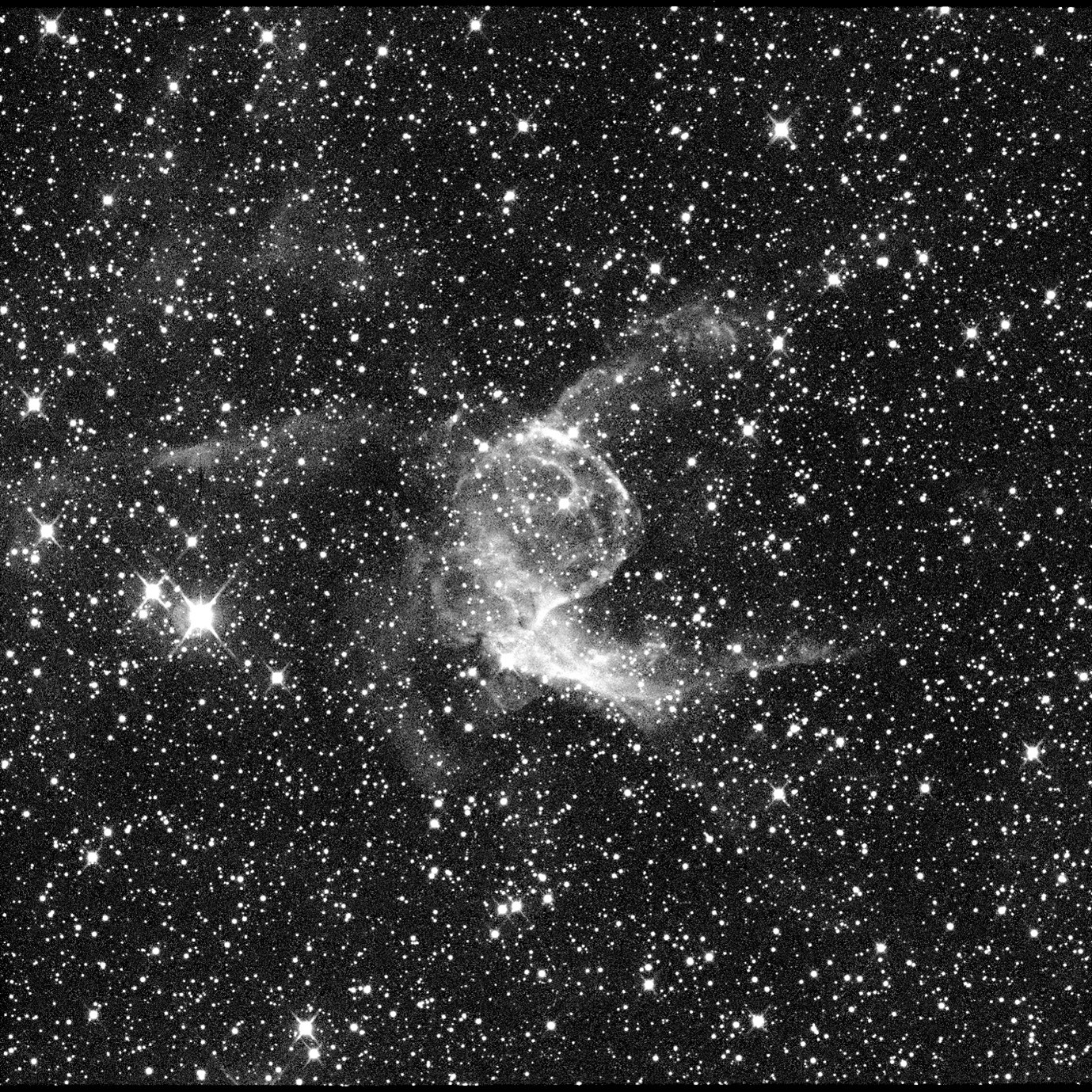
Meanwhile, Ruairi R. and Benjamin C. both received commendations. Their images showed impressive technical ability and careful composition. Their success highlights the strength of the school astronomy club and the enthusiasm of its members.
Join the School Astronomy and Astrophotography Club
The astronomy and astrophysics club continues throughout the academic year. It provides pupils with regular opportunities to explore space science and take part in practical projects, including astrophotography in schools.
Therefore, all senior school pupils are welcome to join. The club is ideal for anyone with an interest in space, physics, or photography. It is also a great way to develop new scientific and technical skills in a supportive environment. Find out more about academic enrichment at Exeter School here.
Commendation: Messier 42 (The “Orion Nebula”) a giant cloud of gas and dust located about 1,300 light‑years away in the constellation Orion – imaged by Ruairi R. (Third Form – Year 7) using the School Observatory network
Commendation: NGC 2359 (“Thor’s Helmet”) an emission nebula located 12,000 light-years away in the constellation Canis Major – imaged by Benjamin C. (Third Form – Year 7) using the School Observatory network
Winner: Spots on The Sun – imaged by Bo D. (Fourth Form) using a Seestar S30 telescope