

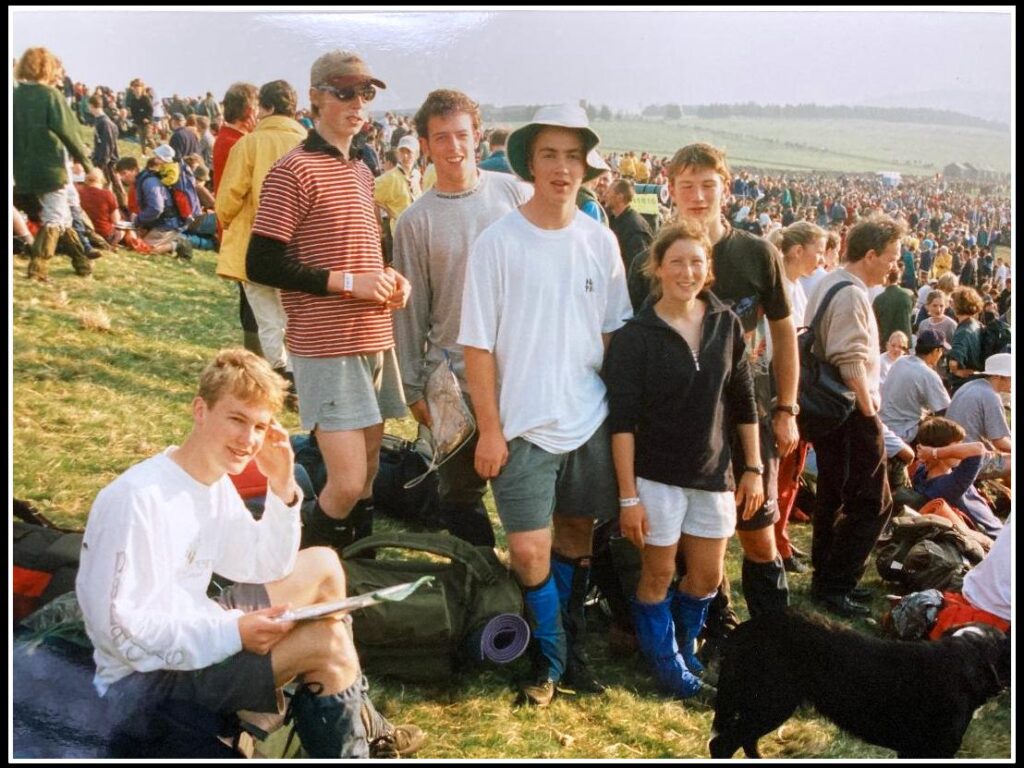
In this article, former physics teacher John Spivey (staff, 1981-2001) shares his experiences of Ten Tors at Exeter School, as one of our dedicated teachers who kindly gave up his weekends to support pupils in developing their resilience, teamwork, leadership and navigation skills.
The Ten Tors Expedition, an iconic event for young adventurers, traces its origins back to the 1960s. Conceived by the British Army, the expedition aims to foster endurance, teamwork, and navigation skills among the youth. Originally, the event was open to military cadets, but its immense appeal quickly led to its expansion, welcoming school teams and youth organizations. The challenging routes, spanning 35, 45, and 55 miles, push participants to their physical and mental limits as they navigate the moor’s tors and valleys within a tight 36-hour window.
During the first training events when we were teaching basic map-reading and use of compass, we told them that later in adult life they would probably remember almost nothing of the 16,000 or so lessons they had sat through in school…BUT …Ten Tors would stand out as an event they would never forget.
Navigation between the 10 Tors is done by map and compass (old style – no GPS or smart phones) and after leaving Okehampton Army Camp at 7 am on Saturday, each team of 6 camp the night before resuming their trek at 6am on Sunday to be back at Okehampton Camp by 5pm. While the expedition is not a race the teams have to keep up an average speed of almost 5 km/h to complete the event in time.
Over the years, Ten Tors has grown to be more than just a test of stamina; it has become a rite of passage, instilling a profound sense of accomplishment and respect for Dartmoor’s natural environment. Each year, 2000 young people from the South West of England, and beyond, eagerly participate, contributing to the rich tapestry of camaraderie and resilience that defines this extraordinary event.
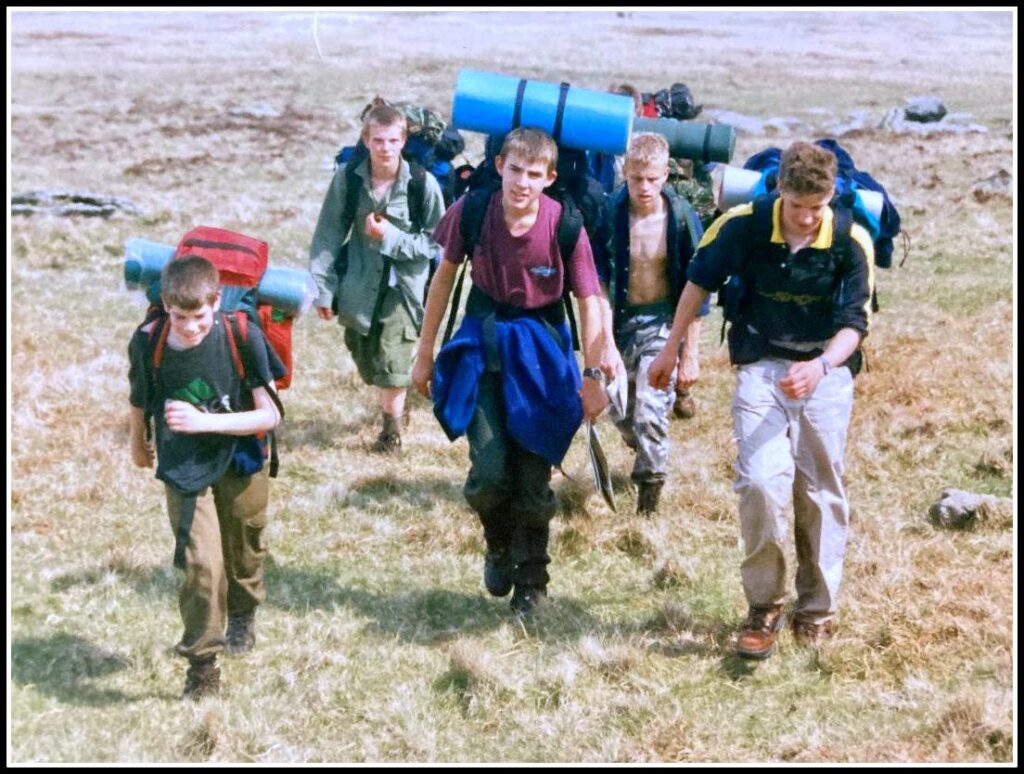
On the Friday evening before the event, each team is checked by army personnel to make sure they have sufficient and correct equipment, food and clothing to survive for 36 hours in rugged terrain in all weathers. Some years, when it is hot and sunny, water supplies are the problem; alternatively in cold stormy weather it’s hypothermia. They are allocated a specific route around the 10 tors with about 15 teams on each route
This actual event is the culmination of several weeks of training organised by the team manager. If it is a school team then the manager is usually one of the teachers, helped by other members of staff, parents, older siblings and volunteers. At Exeter School between 1982 and 2001 I was the manager, which kept me busy on Spring weekends prior to the event, which is in mid-May. We usually had a couple of day-walks, (including the Abbott’s Way trek across South Dartmoor from Buckfast Abbey via Princetown to Tavistock), to sort out the pupils who were capable of walking long distances, then two weekends on Dartmoor and one across Exmoor (camping on Friday and Saturday nights).
During one of our Exmoor weekends, we had a team of six (very chatty) 6th form girls. On the first evening they had a walk of a few miles to the campsite. Before they set off from Winsford they were told that navigation on this walk would be no problem as all they had to do was stay on the left bank of the river. They were late arriving at the camp, and we got a phone call. “Where are you? we asked. “We are back in Winsford!”… apparently having walked a couple of miles upstream, crossed a bridge and a couple of miles downstream back to where they started. “What happened?” we asked. “We were just chatting…” was the reply. Hence the need for training weekends! In the actual event this girls team completed the expedition and were duly presented with their certificates.
On a late February training weekend, South Dartmoor suffered a severe afternoon snowstorm while our teams were heading for the campsite near Combestone Tor. One team didn’t arrive before darkness descended. Rescue teams were called, including a helicopter, which, due to heavy snow, was no use until daylight. Worried parents arrived during the night. As teachers in charge, we were concerned but confident that they would pitch tents and sleep out the storm as they had been instructed. Which is exactly what they did, and they arrived at their destination during the early morning, after the storm had abated, much to their parents’ relief…not to mention us supervising staff!
I was fortunate to have my VW campervan which I used to carry the spare tents, the toilet tents (and toilet), first aid, water in 25 litre carriers, and all food and tents for the other staff. We sometimes had 9 staff in total and we managed to cram them into the confined space of the campervan and feed them all, with pre-prepared lasagne etc. I drove the campervan between checkpoints to make sure that all teams were progressing safely and picking up any team members who were having problems.
The teams had to be self-sufficient and be able to cook their own meals each evening. The only concession was on the Friday evening before the actual event, when the staff treated them to a cooked meal before they settled down for a short night’s sleep. At 5 am the loudspeakers awoke them to the sound of Tina Turner blasting out “Simply the Best”. This echoed all round the camp, which was then very busy with 2000 youngsters getting a hurried breakfast and streaming through the camp onto the moor for the 7am gun-firing to start them off. Left behind were the team managers and other staff who had helped with the Friday night camp. We returned to the tents for a leisurely cup of coffee and a bit more breakfast. All the manned 10 tors were in radio communication with Okehampton camp and were able feed information on the times when the teams passed through each tor. We could get this information by looking at the “Leader Board” set up in one of the army hangers. Helicopters available to ferry any injured team members back to Camp.
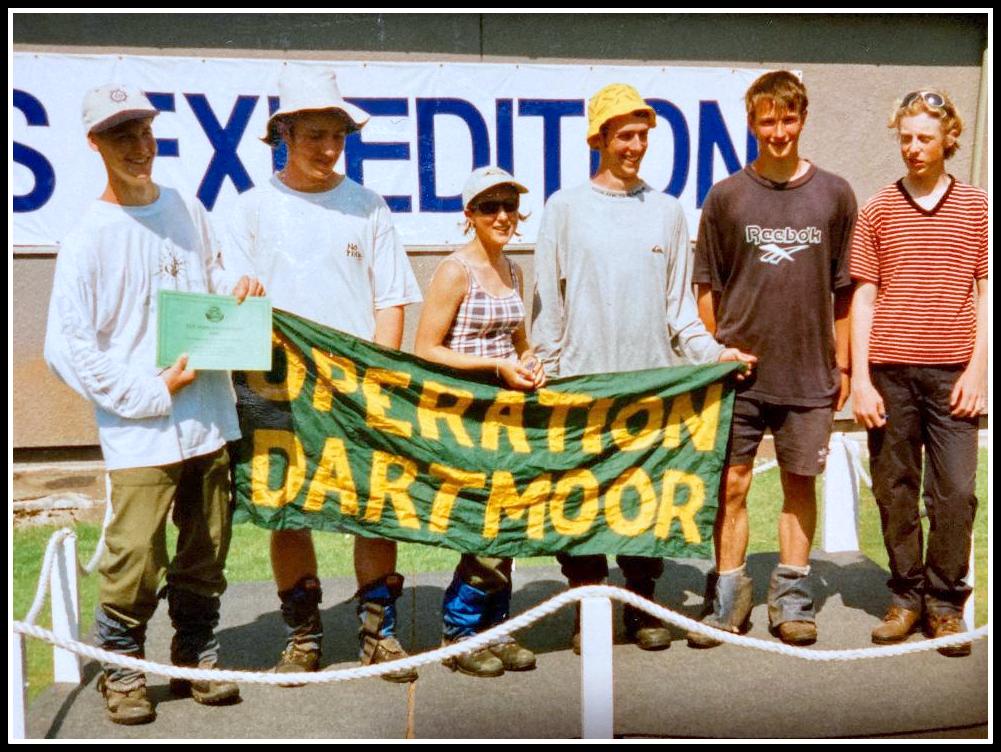
After camping the night at the last tor they reached before 6 pm, each team could set off after 6 am on Sunday. The first teams would then arrive back at Okehampton from around 9 am right up to the slowest teams at 4 pm or so. Then complete teams were presented with their certificates to the cheers of proud parents taking photos in the afternoon sunshine. (or rain) … a very proud moment which they would always remember.
– John Spivey